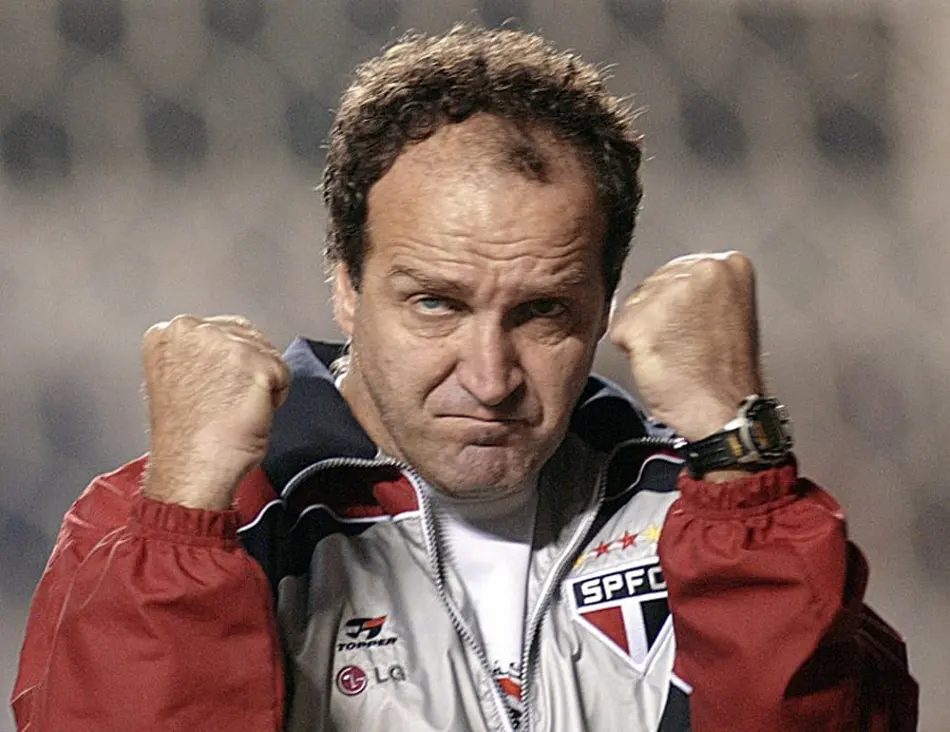
Cuca and Vasco: Why This Major Rio Club Remains Untrained by Him
In the vibrant, often tumultuous world of Brazilian football, certain names resonate with consistent success and a distinctive style. Among them, Alexi Stival, universally known as Cuca, stands out as a highly decorated and respected coach. He has graced the sidelines of numerous giants, guiding teams to prestigious titles like the Copa Libertadores and the Campeonato Brasileiro. Yet, for all his extensive experience and triumphs, there remains a curious gap in his illustrious career: he has never managed Vasco da Gama.
This unique situation has recently come into sharp focus, particularly after Cuca publicly declared his strong interest in taking the helm at São Januário. With the club seeking a new direction following the departure of Fernando Diniz, the question on many fans' minds is: why hasn't
cuca no vasco happened yet, despite his clear desire and impressive track record? This article delves into Cuca's long-standing connection with Vasco, from his strategic decisions as an adversary to his recent overtures, exploring the complexities behind this unfulfilled partnership.
A Coach's Ambition: Cuca's Open Door to São Januário
Cuca's recent availability on the market ignited a wave of speculation and, eventually, a direct declaration that thrilled many Vasco supporters. The 62-year-old tactician, known for his intense, offensive-minded teams, expressed a significant interest in leading the Cruz-Maltino project. This wasn't merely a polite acknowledgment; reports from sources close to the coach, including his staff, indicated a genuine and enthusiastic desire to command the team. "Cuca has the greatest interest in commanding the Vasco team," a staff member reportedly affirmed, painting a picture of an open door from the coach's side.
Several factors likely fuel Cuca's ambition to join Vasco. Firstly, it represents a unique challenge: Vasco is the only one of Rio de Janeiro's four major clubs he hasn't yet managed. This presents an opportunity to write a new chapter in his career and complete a rare sweep of the capital's footballing giants. Secondly, his profile aligns well with Vasco's current needs. The club, undergoing a period of reconstruction and facing intense pressure for results, could benefit immensely from Cuca's proven ability to instill tactical organization, competitiveness, and a winning mentality. His attacking philosophy and capacity to motivate squads are precisely what many Vascaínos believe is required to lift the team out of its recent struggles. Despite swirling rumors about potential moves to clubs in the Middle East, those negotiations never materialized, leaving the path clear for a potential agreement with Vasco.
The club's president, Pedrinho, is actively searching for a permanent replacement for Fernando Diniz, and Cuca's name has emerged as a compelling candidate. His experience, coupled with a history of delivering titles and orchestrating memorable campaigns in Brazilian football, makes him a formidable option. Should the pieces fall into place, Cuca could bring not only his tactical acumen but also a renewed sense of purpose and direction to São Januário. For a deeper dive into his declaration, you can read:
Cuca Manifests Interest to Coach Vasco: Is He the Next Commander?
From Opponent to Potential Commander: Cuca's History with Vasco
While Cuca has never managed Vasco, his path has frequently crossed with the club as a formidable adversary. These past encounters offer valuable insight into his strategic mind and passionate approach to the game. One recent and particularly memorable instance involved a Campeonato Brasileiro match between Vasco and Atlético-MG, then coached by Cuca, which ended in a 1-1 draw at São Januário.
In that intense encounter, Atlético-MG took an early lead. However, Vasco equalized after a VAR review led to a penalty decision following a foul on Philippe Coutinho, which Vegetti converted. Post-match, Cuca didn't mince words, publicly questioning the referee's decision to award the penalty, labeling it "discutível" (disputable). This incident showcased Cuca's characteristic intensity and his willingness to challenge perceived injustices, a trait often appreciated by fans for its display of conviction. His critique, while directed at the officiating, highlighted the high stakes and the competitive fire he brings to every game, even when facing a team he might one day lead.
Another significant interaction came even before that match, during the buildup to the same fixture. Reports from Belo Horizonte suggested that Cuca was contemplating fielding a "mixed" or alternative Atlético-MG squad against Vasco. This strategic move would have allowed him to rest key players, prioritizing the club's continental commitments in the Copa Sudamericana. While a pragmatic decision aimed at managing squad fatigue and focusing on broader objectives, it also illustrated Cuca's ruthless efficiency and his ability to make tough calls for the benefit of his current team, regardless of the opponent. These past encounters, marked by both critical analysis and strategic maneuvering, paint a picture of a coach who is intimately familiar with the pressures and demands of facing Vasco in crucial moments. It also adds a layer of intrigue to the prospect of
cuca no vasco, as he would bring a detailed understanding of the club's recent history from an opposing perspective. For more details on the penalty fallout, check out:
Cuca Slams 'Disputable' Penalty: Vasco vs. Atlético-MG Fallout.
The Untapped Potential: Why the Delay?
Given Cuca's expressed interest and his undeniable credentials, the lingering question for many is why a formal agreement with Vasco has yet to materialize. The journey from a coach's availability and interest to a signed contract is often fraught with complexities, particularly in Brazilian football. Several factors could contribute to this delay:
*
Negotiation Dynamics: While Cuca has shown interest, specific terms such as salary expectations, contract duration, and the extent of his control over footballing decisions (e.g., transfer budget, player acquisitions) must be thoroughly negotiated. Clubs, especially those in rebuilding phases like Vasco, often operate within tight financial constraints, which can complicate reaching a mutually agreeable package.
*
Board's Due Diligence: Even with a high-profile candidate like Cuca, club boards typically explore multiple options. President Pedrinho and his team are likely evaluating other names on the market, comparing their profiles, philosophies, and financial demands before making a final decision. This ensures a comprehensive selection process.
*
Club's Internal Context: Vasco da Gama, like many traditional giants, has experienced periods of internal political shifts and financial instability. Such environments can prolong decision-making processes, as various stakeholders and factions may hold differing views on the ideal coaching profile or the club's immediate strategic priorities.
*
Strategic Alignment: While Cuca's offensive style is generally appealing, the board might be assessing whether his approach perfectly aligns with the club's long-term vision and the specific characteristics of the current squad. A successful appointment requires not just a good coach, but the *right* coach for the club's specific moment.
*
Managing Expectations: Bringing in a coach of Cuca's stature raises immediate expectations from the fanbase. The club might be taking time to ensure that any potential partnership is built on a realistic project plan that can manage these expectations effectively and avoid undue pressure too early in the tenure.
For clubs in similar situations, key advice includes: maintaining transparent communication throughout negotiations, clearly defining the project's scope and objectives, and ensuring financial stability to support the coach's vision. A rushed or poorly planned appointment, even of a celebrated name, can often lead to further instability.
The Strategic Fit: What Cuca Offers Vasco's Rebuilding Project
Despite the current lack of a formal agreement, Cuca's potential as a strategic fit for Vasco's rebuilding project is undeniable. His coaching philosophy and track record align with many of the club's pressing needs:
*
Tactical Organization and Competitiveness: Cuca is renowned for instilling clear tactical structures and fostering a highly competitive spirit within his teams. He demands intensity and commitment, which could be vital for a Vasco squad looking to climb the Campeonato Brasileiro table and reassert itself as a force. His teams are often well-drilled, difficult to break down, and capable of executing complex plays.
*
Offensive Philosophy: Fans often gravitate towards Cuca's teams because of their emphasis on attacking football. He encourages creativity and forward play, seeking to dominate possession and create scoring opportunities. This exciting style could help rekindle enthusiasm among the Vasco faithful, particularly after periods of more pragmatic or defensive approaches.
*
Experience in High-Pressure Environments: Having coached numerous major clubs and won significant titles, including the Copa Libertadores with Atlético-MG and the Brasileirão with Palmeiras, Cuca is no stranger to the intense scrutiny and high expectations that come with managing a club like Vasco. He has a proven ability to perform under pressure and guide teams through challenging phases.
*
Player Development and Motivation: Cuca has a history of extracting the best from his players, combining seasoned veterans with emerging talents. His charismatic leadership can galvanize a squad, fostering unity and belief, which is crucial for a team in transition.
*
Connecting with the Fanbase: Cuca's passionate demeanor on the sidelines and his commitment to his clubs often resonate strongly with supporters. He has a way of becoming emblematic of the team's fight, which could be a powerful asset in rallying the passionate Vasco fanbase behind the project.
For Vasco, securing a coach like Cuca would mean bringing in a figure capable of providing immediate impact while laying the groundwork for sustained success. Leveraging his experience would involve granting him sufficient autonomy in footballing decisions, ensuring a robust support staff, and aligning on a realistic timeline for results, given the scale of the rebuilding effort.
Conclusion
The story of Cuca and Vasco is one of intriguing proximity and unfulfilled potential. From his spirited challenges as an opposing coach to his recent, emphatic declaration of interest, the path for
cuca no vasco has been marked by significant intersections. While the club currently navigates the complexities of finding its next leader, Cuca remains a highly compelling candidate, bringing a potent blend of experience, tactical prowess, and a winning mentality that many believe could ignite a new era at São Januário. The reasons for the delay are multifaceted, rooted in the intricate dance of negotiations and strategic alignments that define top-tier football. Yet, the mutual interest remains palpable, leaving fans and pundits alike to ponder: when, not if, this unique chapter in Brazilian football history will finally be written, and Cuca steps onto the hallowed ground of São Januário not as an adversary, but as the commander of the Cruz-Maltino.